How Buy Now Pay Later Has Changed the Way Australians Borrow
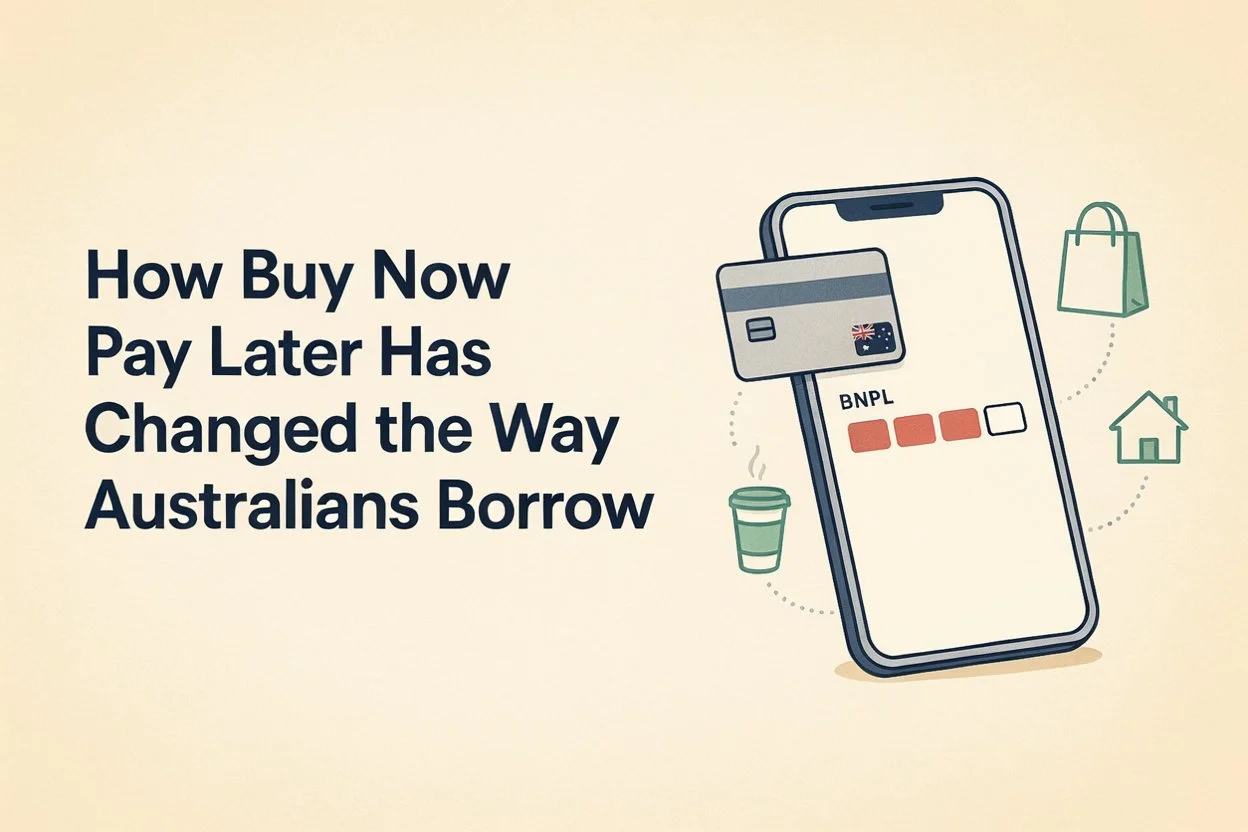
Australians have been paying for shopping in instalments for decades, but buy now pay later has changed how that happens. With traditional lay-by, you paid off a purchase before taking it home. Buy now pay later lets you receive it while you’re still paying. It’s a way of borrowing that has become familiar through online shopping, where the option to split a payment appears alongside the price.
The appeal is straightforward. You can spread the cost of a purchase across several payments, often without paying interest. Retailers have a reason to offer it too. Under a common arrangement, the provider pays the shop upfront, minus a fee, and then collects the money from the customer. The shop doesn’t have to wait for the final instalment, and the customer can use the same service at other participating retailers.
Using it across different shops, though, can leave someone paying off several purchases at once. Each one may have its own schedule, so repayments for an order placed last week can fall alongside those for something bought yesterday. These overlapping payments help explain why buy now pay later has become part of discussions about debt management in Australia. The amount due on one purchase is only part of what a household owes.
The advertised instalment also doesn’t always tell the whole story about cost. Some services are free if payments are made on time, while others charge account fees or a fee to set up the arrangement. Missing a payment can bring a late fee too. That means two services offering to split the same purchase price may end up costing different amounts, depending on their terms and whether repayments arrive on time.
There can be another cost when repayments come from a credit card. Although the buy now pay later service may charge no interest, the card issuer can still charge interest on the resulting card balance. The shopping debt has effectively moved from one account to another. Automatic payments can make this less obvious because the instalment has been paid, even though the money may still be owed on the card.
Buy now pay later can also affect borrowing beyond the original purchase. Moneysmart explains that applications, payment arrangements and missed payments may appear on a credit report. Other lenders can take that information into account when assessing an application. Someone applying for a car loan or mortgage may therefore find that a service they used for shopping forms part of the credit history being considered.
Australian credit rules changed on 10 June 2025 to bring buy now pay later into the national consumer credit framework. Providers became subject to credit licensing requirements, although certain low-cost arrangements have modified responsible lending obligations. They must also have complaints and financial hardship services. Customers who are struggling with repayments can use those services to explain their circumstances, while a complaints process provides a way to raise a dispute about the account.