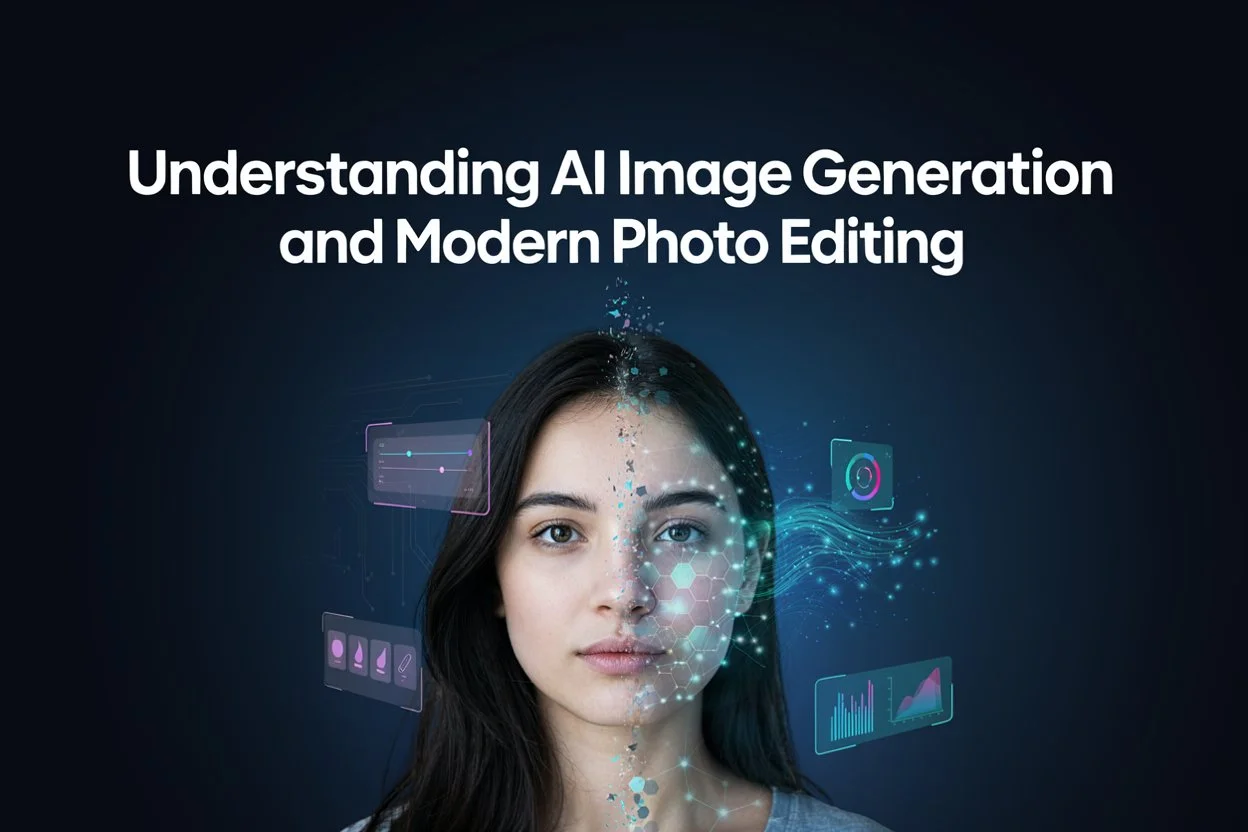
Understanding AI Image Generation and Modern Photo Editing
Let’s be real. AI has completely shaken up how people make, change and share visual content. Stuff that used to need serious know-how with photo-editing software? You can now pull off a lot of it with a few simple written instructions. No more fiddling with dozens of settings by hand. You just describe the change you want. And the AI figures out what you meant.
One thing getting a lot of buzz lately? The Nano Banana family of image-generation and editing models. And it shows a much bigger shift in digital creativity. AI isn’t just spitting out pictures from text anymore. It’s getting good at understanding images you already have. Keeping the right parts intact. And making targeted changes exactly where you want them.
What Is Nano Banana Technology?
So what’s Nano Banana, exactly? It’s basically the nickname for Google’s Gemini image-generation tech. The original model launched as Gemini 2.5 Flash Image. And it was built to handle both creating and editing images. It can take in text and images together. So you can just describe changes to a picture you’ve already got. Instead of starting from a blank canvas every time.
And it’s kept growing since then. Nano Banana 2 came out in 2026. It’s based on Gemini 3.1 Flash Image. The focus? Mixing fast generation with better visual quality, sharper instruction following, more consistency and stronger editing.
That progression shows something pretty cool. AI image systems are turning into a conversation. You hand over an image. Explain what should change. And keep refining it with more instructions. Back and forth, like chatting.
From Text Prompts to Image Editing
Early text-to-image systems were mostly about one thing. Making an image from a written description. That’s it. Modern systems? They’re mixing generating and editing into one workflow.
Say you give it an image as a reference. Then you ask it to change the background. Swap out an object. Adjust the lighting. Or tweak certain visual details. Easy. The original Nano Banana model was built specifically for this kind of back-and-forth. Handling text and images together.
That really lowers the bar compared to regular editing. No more digging through menus hunting for some specific function. You just say what you want. In plain, everyday words.
If you’re digging into this tech, resources covering what Nano Banana 2.5 can do and how people use it can give you some extra context. Especially on how newer AI-assisted visual workflows are making their way into creative tools.
Maintaining Consistency Across Images
One big headache with AI-generated images? Consistency. Say you’re making a few images of the same person, character or object. Older systems could make them look noticeably different from one image to the next. Annoying, right?
Newer models are built to handle that a lot better. Google says Nano Banana 2 can keep multiple characters and objects looking the same across a whole workflow. That makes it way more useful for visual storytelling, sequential ideas and any project where things need to stay consistent.
That’s great for storyboards, educational illustrations, concept development, product visualization and fictional characters. But don’t switch your eyes off. You still need to check things yourself. Small changes in faces, proportions, objects or backgrounds can still sneak in.
Better Text and Layout Handling
Getting text right inside generated images has always been a struggle for these models. Letters came out warped. Misspelled. Or jumbled up in weird ways.
Newer models are putting a lot more focus on text rendering. Google describes Nano Banana 2 as having better text rendering and localization. So generated visuals can include written info a lot more reliably.
That really matters for posters, presentation graphics, diagrams, menus, educational materials and other designs. Basically, anywhere visuals and words need to work together.
But even with these upgrades, check generated text carefully before you publish anything. An image can look totally convincing and still have sneaky little spelling or factual mistakes. The kind you don’t catch right away.
Common Applications of AI Image Editing
AI image generation and editing can help with all kinds of stuff. Designers can use it to explore ideas before building the finished design. Students can make visual explanations for projects. And educators can whip up illustrations for learning materials.
Photographers might use AI-assisted editing to experiment, restore old photos or tweak backgrounds. Content creators can try out different compositions without redoing a whole shoot. And businesses can use generated visuals for prototypes and internal ideas. As long as they’ve thought about copyright, privacy and disclosure.
So it’s less about replacing every traditional creative method. And more about giving you another way to play around with visual ideas.
Accuracy, Authenticity, and Responsible Use
AI images are getting scarily realistic. And that raises some big questions about what’s real. Just because an image looks convincing doesn’t mean it shows a real event. Or an untouched photo.
That’s why checking things yourself really matters. Especially when images are used for news, education, professional communication or documenting facts. AI-generated or heavily edited visuals shouldn’t be passed off in a misleading way. Ever.
There’s privacy and copyright to think about too. Make sure you actually have the rights to the images you upload. And think carefully before using recognizable people, private photos or protected material as inputs.
Google has also built tech like SynthID to help identify AI-generated content. And newer systems might add other content-credential approaches on top of that.
The Future of Visual Creativity
AI image tech is heading toward workflows that mix it all together. Generating, editing, reference images, understanding text and refining things step by step. The line between an image generator and an image editor is getting blurrier. Because both are starting to run through the same chat-style interface.
The biggest change might be accessibility. Visual experimenting that used to need specialized software skills? Now you can dive in with plain-language instructions. But you still need creative judgment. Fact-checking. And some awareness of the ethical side.
As these systems keep developing, understanding how they work matters more and more. And knowing where they still fall short. That’s going to be important for anyone making digital visual content. Or just looking at it.