
The Hidden Financial Benefits Of Choosing Durable Kitchen Features That Last
When homeowners think about improving their financial future, they often focus on investments, retirement accounts, or reducing debt. While these strategies are essential, another overlooked opportunity lies within the home itself. Choosing durable materials and well-crafted fixtures can reduce long-term expenses while preserving property value for years to come.
Many people instinctively compare products based on their purchase price alone. However, the true cost of ownership includes maintenance, repairs, replacements, and the impact those choices have on resale value. A slightly higher upfront investment often delivers significantly greater financial returns over time.
Durable Kitchens Require Fewer Costly Replacements
The kitchen experiences more daily use than almost any other room in a home. Cabinets open and close countless times, countertops endure constant wear, and appliances operate every day. Features built with longevity in mind naturally withstand this heavy use better than lower-quality alternatives.
Replacing worn or damaged kitchen components can become surprisingly expensive. Beyond purchasing new materials, homeowners often pay for demolition, installation, disposal, and sometimes temporary disruptions to their daily lives. Durable products help minimize these recurring costs.
Instead of following short-lived trends, many homeowners now prioritize timeless craftsmanship and dependable construction. This approach allows them to enjoy their kitchens for decades rather than planning another renovation only a few years later.
Quality Materials Help Lower Maintenance Costs
Maintenance expenses can quietly accumulate over time. Surfaces that stain easily, finishes that chip, or fixtures that corrode require regular attention and ongoing repairs. These recurring costs rarely appear during the buying process but can significantly affect long-term household budgets.
Premium materials generally resist everyday wear more effectively. They maintain their appearance with routine cleaning rather than requiring specialized treatments or frequent restorations. This means fewer service calls, replacement parts, and unexpected repair bills.
Well-made kitchen features also tend to age gracefully. Rather than looking outdated because of visible deterioration, they continue to complement the home even after years of regular use.
Timeless Design Protects Home Value
Home design trends come and go quickly. Bold colors and highly fashionable finishes may attract attention today, but can feel outdated surprisingly fast. When buyers enter a home, timeless design often creates broader appeal by allowing them to imagine making the space their own.
Neutral, classic kitchen elements typically remain attractive across changing design preferences. This reduces the likelihood that homeowners will feel pressured to renovate simply to keep up with current styles.
White kitchens, in particular, have demonstrated remarkable staying power. Their clean appearance works well with both traditional and contemporary interiors, making them a dependable choice for homeowners thinking about long-term value.
High-Quality Features Can Strengthen Buyer Confidence
When prospective buyers tour a property, they pay close attention to the kitchen. It often serves as one of the home’s biggest selling points, influencing both emotional impressions and practical evaluations.
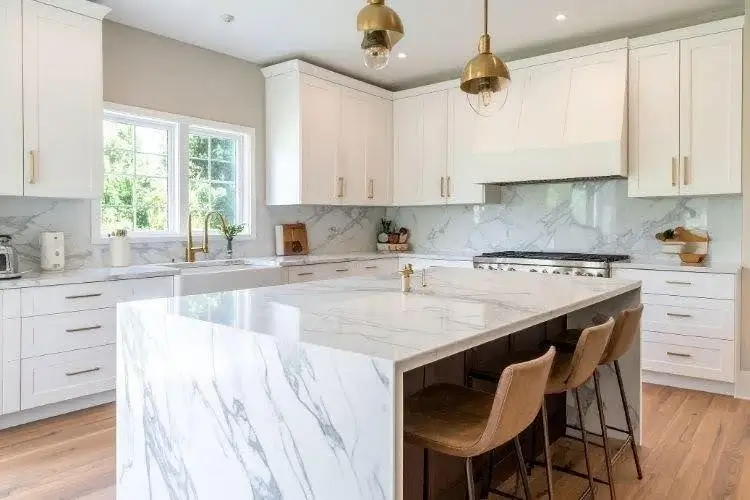
Buyers recognize signs of quality craftsmanship. Solid construction, premium finishes, and durable fixtures communicate that the homeowner invested thoughtfully throughout the property. This confidence can translate into stronger offers and shorter selling times.
Even when buyers cannot identify every premium feature individually, they notice the overall quality of the space. Well-maintained kitchens frequently create a positive impression that extends to the rest of the home.
Investing Once Instead Of Replacing Repeatedly
One of the most expensive financial habits is buying inexpensive products repeatedly. While each purchase may seem affordable on its own, repeated replacements often end up costing more than purchasing higher-quality products from the outset.
This principle applies across many areas of homeownership. Durable flooring, dependable roofing materials, quality cabinetry, and well-built kitchen fixtures often provide decades of reliable performance with minimal intervention.
For homeowners pursuing financial independence, reducing recurring expenses creates additional flexibility. Every avoided replacement allows more money to remain invested in long-term financial goals rather than unexpected home repairs.
Energy Efficiency Adds Long-Term Savings
Many durable kitchen products also contribute to greater energy efficiency. Improved ventilation, better insulation, and thoughtfully engineered components can reduce unnecessary energy consumption while creating a more comfortable cooking environment.
Proper ventilation, for example, helps remove excess heat, smoke, and moisture from the kitchen. This contributes to healthier indoor air while supporting the efficient operation of heating and cooling systems throughout the home.
When evaluating kitchen improvements, homeowners should consider both durability and ongoing operating costs. Together, these factors influence the total financial value of every upgrade.
Craftsmanship Often Delivers Better Long-Term Value
Mass-produced products can serve a purpose, but carefully crafted kitchen features frequently provide greater longevity. Skilled craftsmanship emphasizes structural integrity, finish quality, and precise construction methods that ensure years of reliable performance.
For homeowners seeking lasting value, companies that specialize in handcrafted products often offer solutions designed to remain beautiful through everyday use. For example, CopperSmith® creates custom white range hoods that combine timeless design with durable craftsmanship, making them a thoughtful addition to kitchens built for long-term enjoyment rather than short-term trends.
Choosing quality does not necessarily mean selecting the most expensive option available. Instead, it means evaluating products based on their expected lifespan, reliability, and ability to continue performing well over many years.
Financial Independence Includes Protecting Existing Assets
People often associate financial independence with growing investment portfolios. Equally important is protecting the value of assets they already own, especially their homes.
A house represents one of the largest financial investments many families will ever make. Thoughtful maintenance and durable improvements help preserve that investment while reducing unexpected expenses throughout ownership.
Instead of viewing home improvements as simple spending, many financially minded homeowners evaluate them as strategic investments. Upgrades that extend a home’s lifespan and reduce future maintenance can contribute meaningfully to long-term financial stability.
Smart Decisions Compound Over Time
Small financial decisions accumulate just as investment returns do. Saving a few hundred dollars each year on maintenance, avoiding premature replacements, and preserving resale value may seem modest individually. Over decades, however, these savings compound into substantial financial advantages.
The same mindset that encourages consistent investing also supports thoughtful purchasing decisions. Buying products designed to last often aligns with broader financial principles such as minimizing waste, controlling expenses, and maximizing long-term value.
Durable kitchen features represent more than attractive design choices. They become part of a larger strategy focused on financial resilience, responsible ownership, and lasting value.
Conclusion
Financial independence is built through countless smart decisions rather than one dramatic change. While investment accounts and retirement planning remain essential, the choices homeowners make within their homes also influence their long-term financial well-being.
Selecting durable kitchen features reduces maintenance costs, limits replacement expenses, strengthens resale appeal, and protects one of a family’s largest assets. By focusing on quality, craftsmanship, and timeless design, homeowners create kitchens that continue delivering value long after the renovation is complete.