How Preventing Tree Roots During Drain Cleaning in Philadelphia Stops Catastrophic Pipe Collapse
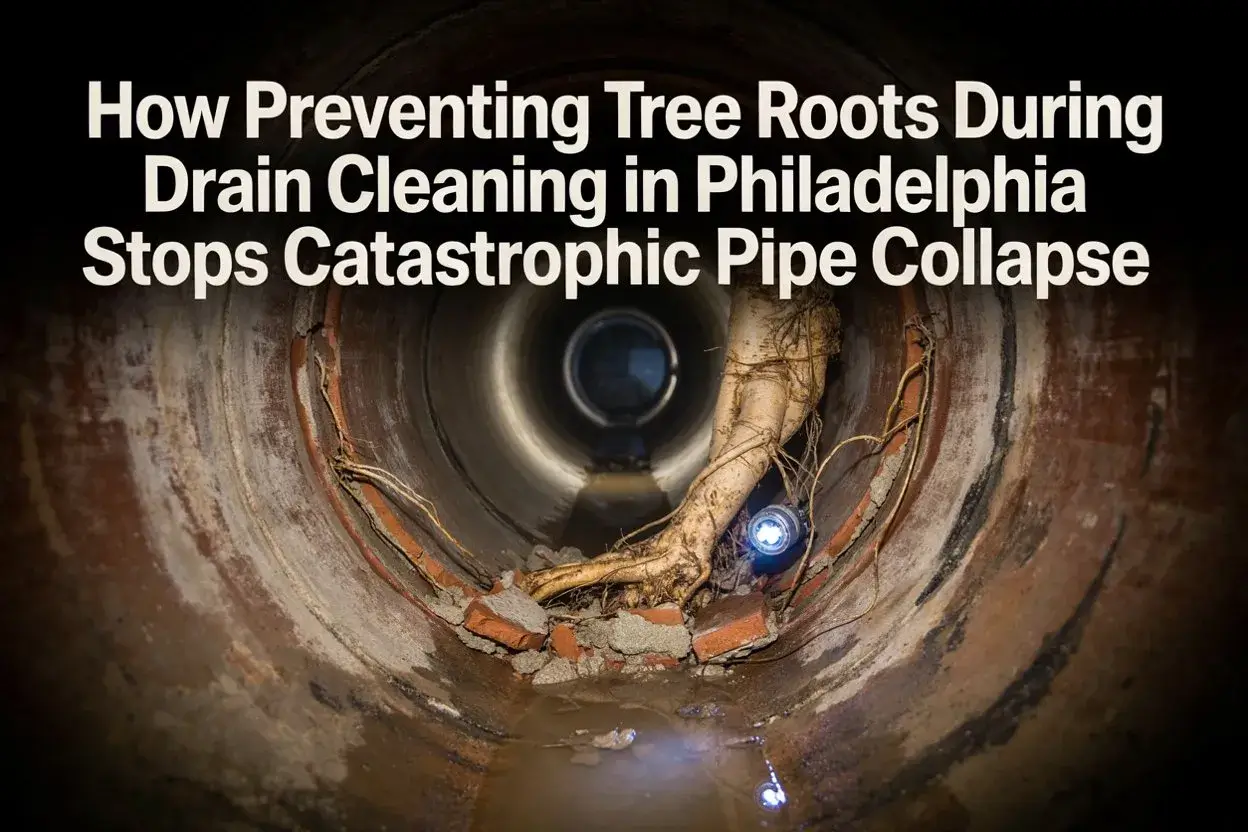
Homeowners in Philadelphia often discover slow drains or recurring blockages just as tree roots begin to invade their underground pipes. The city’s many mature trees, prized for their shade and beauty, also send out aggressive root systems that seek moisture wherever it can be found—including tiny cracks in aging clay or cast iron sewer lines. When these roots penetrate a pipe, they continue growing, eventually creating dense mats that trap debris, restrict flow, and place immense pressure on the pipe walls. Left untreated, this hidden problem can escalate quickly, resulting in a catastrophic pipe collapse that demands disruptive and expensive repairs. Preventing tree roots from establishing themselves during routine drain cleaning is the most effective way to protect both the plumbing system and the property’s long-term value.
Philadelphia Sewer Line Vulnerabilities Caused by Mature Tree Roots
The prevalence of older homes and established neighborhoods in Philadelphia means many properties still rely on clay or cast iron pipes installed decades ago. These materials, while durable in their prime, are highly susceptible to root intrusion because small gaps or deteriorating joints can develop over time. Roots from maples, oaks, and other common city trees exploit these weaknesses, working their way into the sewer lines in search of water and nutrients. As roots enter and expand, the pressure can force pipe sections apart, leaving larger openings and accelerating structural failure. Understanding the way tree roots exploit pipe vulnerabilities helps homeowners recognize the importance of proactive intervention before visible symptoms arise.
Detecting Early Signs of Root Intrusion Before Pipe Failure
Spotting the warning signs of root intrusion early is critical for preventing major damage. Homeowners might notice drains that gurgle, wastewater backing up in the basement, or unexplained wet patches in the yard. Plumbers often use video inspection tools—small cameras pushed through the pipes—to identify root masses or tiny cracks before they lead to full blockages or pipe collapse. Early detection through these inspections not only helps target the exact location of the problem but also allows for less invasive solutions. Reviewing methods for detecting root intrusion in sewer pipes gives property owners an understanding of what to expect during a professional evaluation.
Professional Drain Cleaning Techniques for Philadelphia Property Owners
When tree roots have infiltrated a sewer line, specialized drain cleaning tools are needed to clear the obstruction without damaging the pipe further. Cable machines with rotating blades, often referred to by homeowners as rooters, physically cut through root masses and clear the passage. For more stubborn or extensive intrusion, water jetting uses high-pressure streams to break up roots and flush debris from the system. Choosing a provider for Drain Cleaning in Philadelphia who understands the challenges posed by local tree species and older infrastructure ensures that the right tools and techniques are used for each situation. These drain cleaning services can also apply root-killing treatments designed for sewer pipes, which help prevent regrowth without harming the trees above.
Preventing Catastrophic Pipe Collapse Through Proactive Maintenance
Consistent maintenance is the best defense against catastrophic pipe failure. Scheduling regular inspections and cleanings, especially for homes with mature trees nearby, allows any new root intrusion to be addressed before the pipe’s structure is compromised. Some property owners also choose to replace vulnerable sections of clay or cast iron pipe with modern, root-resistant materials such as PVC, either as a precaution or after an intrusion is found. Preventative drain cleaning, combined with targeted use of root inhibitors, minimizes the risk that roots will have the chance to crack or collapse the pipe. Taking these steps extends the life of the plumbing system and avoids the disruption of emergency excavation and replacement.
Conclusion
Scheduling a video inspection or drain cleaning at the first sign of slow drains is the most effective way to prevent tree roots from causing severe sewer line damage. Acting early, before roots compromise the pipe’s structure, saves homeowners from costly repairs and protects the home’s value for years to come.