
Creative Team Building Ideas That Actually Boost Engagement
Team building exercises have become far too frequently mocked icebreakers that elicit eye rolling, but not a real connection. Totally awesome strategies include fun and purpose, trust, teamwork and communication skills, which directly translate into workplace performance. The awareness of what makes the difference between meaningful and unmemorable exercises will show the strategies that will establish the effective team cohesion in the long term.
Proven Indoor Activities
Paper plane contests involve teams designing, testing, and refining aircraft in a time-constrained situation, putting a strong focus on prototyping and feedback loops that are vital to innovation cultures. It is the experience of reading together that creates relationships within the book clubs and generates discussions that illustrate the thought processes and values of the colleagues.
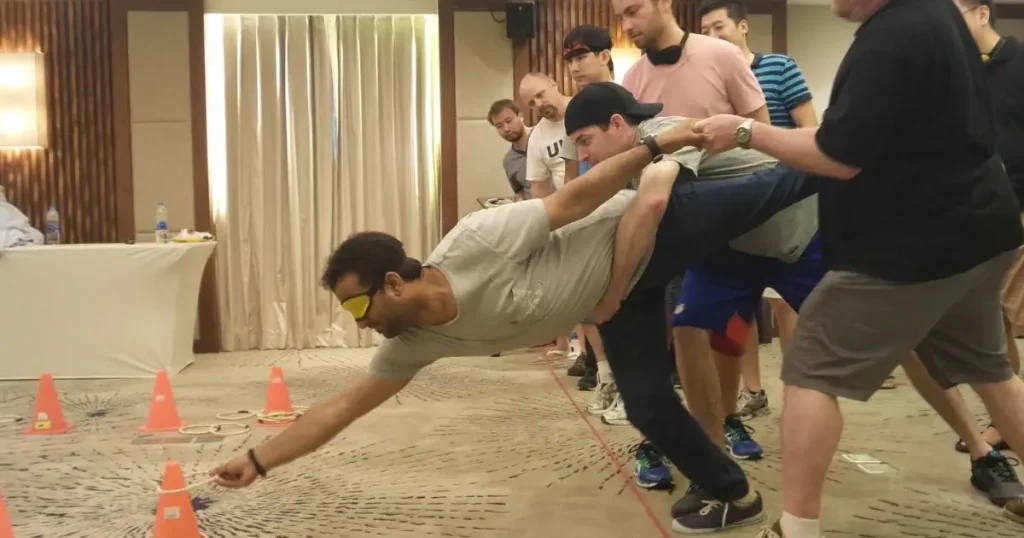
A scavenger hunt is a fun team building activity that integrates problem-solving, communication, and healthy competition-teams compete by racing to complete creative tasks which demand collaboration of different skill sets.
Virtual Engagement Strategies.
Digital adaptations in remote teams ensure that there is connection even at a considerable distance. Virtual escape rooms require a live collaborative solution to a puzzle in real-time, which reflects the deadline in projects. The online trivia nights build upon online platforms such as Kahoot, where different departments compete in healthy competition against one another, and hidden abilities are explored. Two truths and a lie icebreakers provide unexpected information about an individual, which makes other people who are behind avatars humanized.
Outdoor Adventure Options
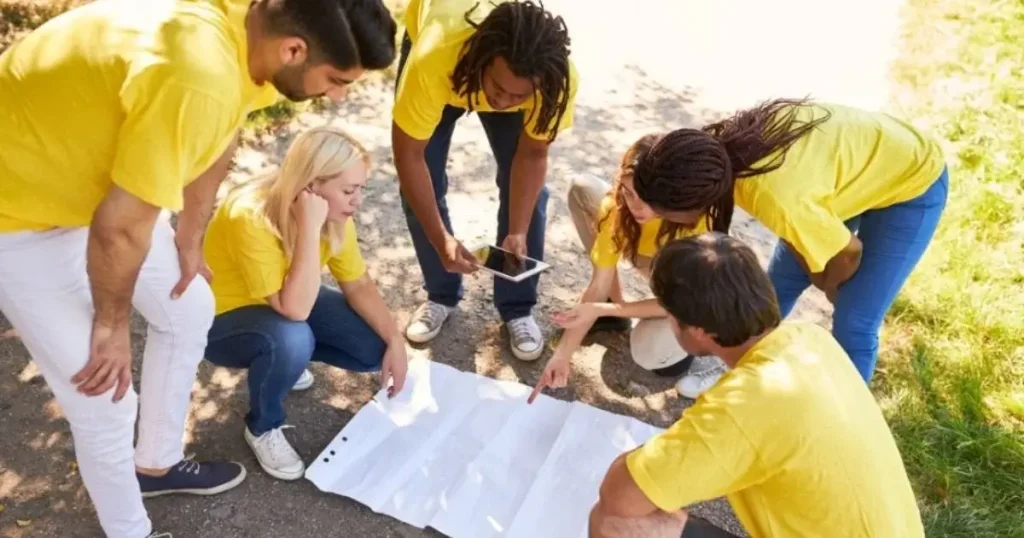
Outdoor scavenger hunts are perfect because they can be scaled to any size, and they can include photography challenges, physical activities, and engagement with the local community. The corporate challenges in the form of an escape room design outdoor obstacle courses that involve strategy and support each other. Team cooking event lays more stress on division of labor, coordination of time and sharing of victory achieved by eating together.
Community Impact Initiatives
Volunteering projects focus team energy on worthwhile projects. Habitat for Humanity constructs houses and establishes relationships through common cause. Social good and speed go hand in hand with food bank sorting races. Corporate donations and contributions to the number of volunteer hours of employees are multiplied by corporate challenges.
Meeting Breakers of Ice in a Hurry
Roses and thorns sharing circles devote five minutes to weekly highs/lows, investing in empathy with vulnerability. No need to elaborate on feelings, emoji check-ins express them during standups. The polls that start with “Would you rather” will elicit laughter and demonstrate the preferences. Cross-team familiarity is guaranteed by speed networking rotation.
Hackathons and Innovation Days
Brainstorming in form of structured brainstorming allows creativity to be released safely. Cross-functional teams are used to address actual business challenges within 24-48 hours and provide prototypes to the leadership. Customer pain point innovation sprints produce actionable changes. Failure-tolerant cultures promote entrepreneurial ideas that are not risky to careers.
Recognition-Driven Activities
Shoutouts by the public enhance positive reinforcement. Unsung contributions are commended using peer-nominated awards. Grass wall: Gratitude walls put the thank-you notes on a wall. Milestone celebrations recognize the company achievements with individual recognition. For teams that want to make these achievements last, an engraved wall plaque can provide a visible, lasting way to recognize a successful team, celebrate a shared milestone, or commemorate an outstanding collaborative effort.
Low-Budget High-Impact Alternatives
Silos are avoided by randomly matching colleagues through lunch lotteries every week. Walking meetings are also against sedentary habits and promote an open conversation. Skill-sharing classes allow professionals to give brief lessons, which establish respect among each other.
How to Measure True Effectiveness
Impact is measured through pre/post engagement surveys. The behavior changes are measured through collaboration metrics such as participation in cross-team projects, meeting contribution. Cultural stickiness is demonstrated by retention levels of the participants. The reduction of absenteeism is an indication of a better morale.
Best Practices during Implementation
Fit actions to definite aims, where there is a communication gap, verbal exercises are needed; where there is lack of trust, vulnerability-sharing is needed. Minimizing time causing exhaustion. Inclusive design is able to address different abilities and backgrounds. The model of leadership involvement is susceptible. Since the experiences are linked to the work applications, follow-up discussions are carried out.
Sustainable Culture Integration
Make team building a rhythm and not an occasion. Micro-activities on weekly basis sustain momentum. Leadership modelling supports behaviors. The systems of recognition enhance the positive results. Continuous improvement is guaranteed by metrics tracking.
Team building has been found to turn work places into units rather than groups of persons. Intentional actions generate psychological security, trust to each other, and a common cause that leads to sustainable interaction and outcomes.