
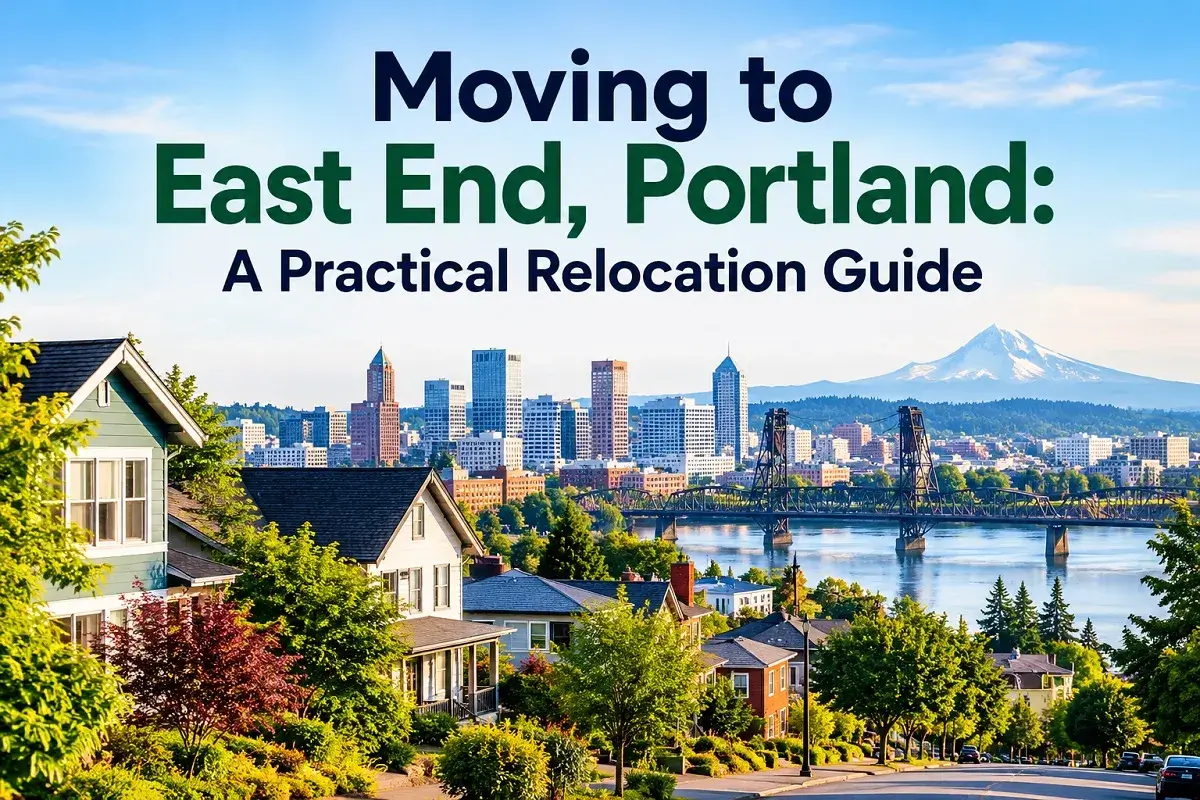
Moving to East End, Portland: A Practical Relocation Guide
Moving to a new neighborhood requires more than finding a home. You also need to understand the area, plan your move properly, and prepare for daily life after settling in. East End in Portland, Maine, is a popular choice for people who want a coastal lifestyle, walkable streets, historic homes, and easy access to downtown. The neighborhood offers a mix of residential comfort, outdoor spaces, local businesses, and community-focused living.
Before relocating, it is important to understand housing options, transportation, moving requirements, and what daily life looks like in the area. Resources such as the City of Portland’s official website can help new residents learn more about local services, permits, and community information before making the move.
This guide covers what you should know before moving to East End, Portland, and how to prepare for a smoother transition.
Understand What Makes East End, Portland Unique
East End is located on the eastern side of Portland’s peninsula and is known for its coastal views, historic streets, and access to outdoor spaces. The neighborhood includes areas such as Munjoy Hill and is close to popular destinations like Eastern Promenade, East End Beach, and Portland Observatory.
If you are planning your move to this area, working with experienced professionals can make the process easier. Choosing the Top movers in East End, Portland can help you manage packing, transportation, and the logistics involved in relocating to a new neighborhood.
East End appeals to a variety of residents, including:
- Professionals who want access to downtown Portland
- Families looking for a community-oriented neighborhood
- Retirees interested in a walkable coastal area
- People relocating from larger cities who want a quieter lifestyle
The neighborhood combines urban convenience with the feel of a close community, making it an attractive option for many new residents.
Research Housing Options Before Moving
One of the first things to consider when moving to East End is the type of housing available. The neighborhood features a mix of older homes, renovated properties, apartments, and condominiums.
Common housing options include:
- Historic single-family homes
- Victorian-style properties
- Multi-family buildings
- Modern apartments and condos
Housing demand in East End is influenced by its location, access to waterfront areas, and proximity to downtown Portland. Many residents choose the area because they can enjoy local restaurants, parks, and shops without depending heavily on a vehicle.
Before choosing a home, consider factors such as:
- Distance from work or school
- Parking availability
- Property maintenance requirements
- Access to public transportation
- Monthly housing costs
Understanding these details before moving can help you choose a home that matches your lifestyle.
Plan Your Moving Process Early
Relocating to East End requires careful preparation, especially if you are moving from another city or state. Start planning several weeks before your moving date to avoid unnecessary stress.
Create a moving schedule that includes:
- Sorting belongings
- Packing room by room
- Scheduling transportation
- Updating your address
- Transferring utilities
- Preparing important documents
Begin by removing items you no longer need. Decluttering before packing reduces the number of boxes you need and makes unpacking easier after arriving at your new home.
When packing, label every box clearly with the room name and contents. This makes it easier to organize your new home without searching through multiple boxes.
Learn About Transportation and Daily Commutes
East End offers convenient access to many parts of Portland. Its location on the peninsula allows residents to reach downtown areas, restaurants, parks, and waterfront locations easily.
Many residents enjoy walking or biking because of the neighborhood’s compact layout. The area also has access to public transportation routes, making it easier for people who do not want to rely only on a car.
Before moving, consider your daily routine:
- How long is your commute?
- Will you need parking?
- Are nearby services within walking distance?
- Do you need public transportation access?
Understanding transportation options helps you plan your move based on your actual lifestyle needs.
Explore Local Amenities and Outdoor Spaces
One of the biggest attractions of East End is its access to outdoor recreation. The Eastern Promenade provides waterfront views, walking paths, open spaces, and access to East End Beach.
Residents can enjoy:
- Morning walks along the waterfront
- Cycling paths
- Community parks
- Outdoor events
- Scenic views of Casco Bay
The neighborhood also has restaurants, coffee shops, local stores, and community spaces that make daily errands convenient.
For families, East End offers access to Portland Public Schools, including East End Community School for younger students.
Prepare for the Cost of Living in Portland
Before relocating, create a realistic budget that includes housing, utilities, transportation, groceries, and moving expenses.
Portland is one of Maine’s most desirable cities, and neighborhoods like East End often have higher housing costs due to their location and amenities.
Your moving budget should include:
- Moving company fees
- Packing supplies
- Temporary storage if needed
- Utility deposits
- Home setup expenses
Planning your finances early allows you to manage relocation costs more comfortably.
Set Up Your New Home After Moving
Once you arrive in East End, focus on setting up essential areas first. You do not need to unpack everything immediately.
Start with:
- Bedroom essentials
- Bathroom supplies
- Kitchen basics
- Internet connection
- Important paperwork
After the essentials are ready, you can organize remaining rooms at your own pace.
Take time to learn your surroundings after settling in. Visit nearby shops, walk around the neighborhood, and become familiar with local services. Building familiarity helps you feel comfortable in your new community.
Final Thoughts
Moving to East End, Portland offers the opportunity to enjoy coastal living, historic surroundings, and convenient access to city amenities. However, a successful relocation requires preparation, budgeting, and a clear understanding of what the neighborhood offers.
By researching housing options, planning your moving timeline, and organizing your belongings early, you can make your transition easier. With the right preparation and support, settling into East End can become an exciting step toward your next chapter.
Frequently Asked Questions
Is East End, Portland a good place to live?
East End is a popular Portland neighborhood known for its coastal setting, walkability, historic homes, and access to outdoor spaces. It is suitable for people who want a residential area while staying close to downtown amenities.
What should I know before moving to East End, Portland?
Before moving, research housing costs, transportation options, parking availability, local services, and moving requirements. Understanding the neighborhood layout can help you prepare for daily life after relocation.
How far is East End from downtown Portland?
East End is located on Portland’s peninsula, making it close to downtown areas. Many residents can access restaurants, shops, and workplaces within a short walk, bike ride, or drive.
What is the best time to move to Portland, Maine?
Many people prefer moving during late spring, summer, or early fall because weather conditions are generally more comfortable. However, moving during colder months may offer more scheduling flexibility.
Do I need professional movers for an East End move?
Professional movers can be helpful, especially for long-distance relocations, large households, or homes with heavy furniture. They can handle transportation challenges and make the moving process more efficient.