
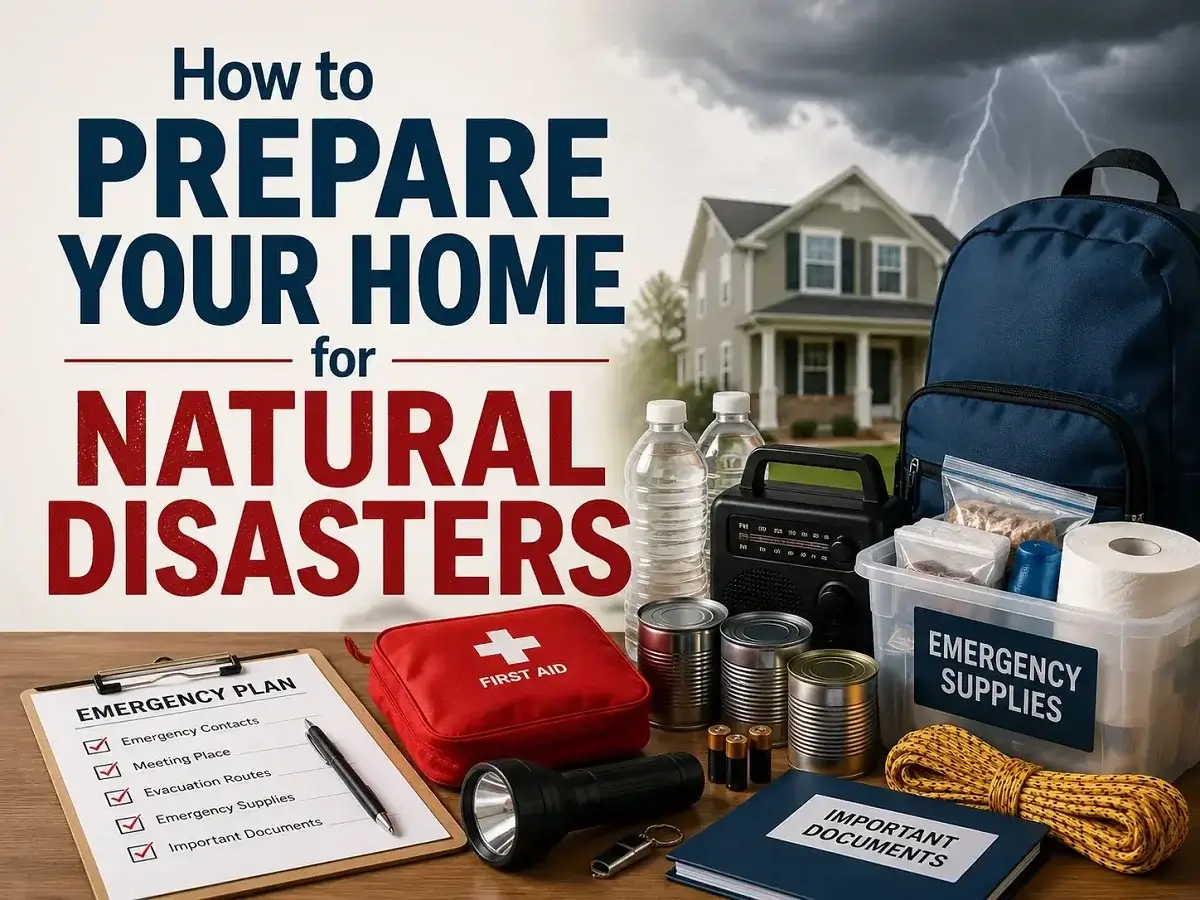
How to Prepare Your Home for Natural Disasters
Natural disasters shape life across Australia. Bushfires tear through regional communities, floods isolate suburbs overnight, cyclones damage coastlines, while severe storms leave families without power for days. Recent years have shown how quickly conditions can change. Advance planning often decides whether people recover smoothly or face months of disruption.
Many Australians assume emergency readiness requires huge effort. Experience proves otherwise. Small actions completed early usually create biggest improvements during crisis periods. Clearing gutters, reviewing insurance, storing water supplies, planning evacuation routes all help reduce stress once warnings arrive.
This guide explains practical ways Australians can strengthen homes, protect finances, support loved ones, stay informed, recover faster after disasters.
Understand Natural Disaster Risks in Your Area
Effective disaster readiness begins with understanding local hazards, according to this disaster preparation guide. Different regions face different threats, so families need plans tailored to surrounding conditions.
Northern communities often prepare for cyclones during the wet season. Inland regions face bushfire danger throughout hotter months. Coastal suburbs regularly experience flooding, storm surges, and heavy rainfall events.
Common Natural Disasters Across Australia
Australian communities commonly face:
- Bushfires
- Floods
- Severe storms
- Cyclones
- Heatwaves
- Earthquakes
- Coastal erosion
Each hazard damages properties differently.
Bushfires spread rapidly through dry vegetation, often destroying roofs, decks, fencing, gardens. Floodwaters ruin flooring, electrical systems, insulation, and furniture. Cyclones create dangerous flying debris capable of smashing windows or lifting roof materials.
Understanding local history helps families prepare more effectively.
How to Check Local Risk Levels
Reliable information sources make disaster readiness easier.
We recommend checking:
- SES warnings
- Bureau of Meteorology alerts
- Bushfire-prone land maps
- Flood zone maps
- Local council hazard portals
- Emergency service apps
Early awareness improves decision-making. Residents who understand evacuation zones, nearby shelters, and road closures usually respond faster once emergencies develop.
Create a Household Emergency Plan
Emergency planning removes confusion during stressful moments. Clear instructions help every family member respond confidently to a natural disaster.
Strong household plans cover:
- Communication methods
- Evacuation routes
- Emergency contacts
- Medical needs
- Pet arrangements
- Meeting locations
Printed copies should remain accessible because mobile networks sometimes fail during major events.
Build a Family Communication Plan
Communication disruptions happen frequently during disasters. Phone towers lose power, internet connections fail, congestion blocks calls.
Our experience during severe storms highlighted the importance of backup options.
Every family should prepare:
- Emergency contact lists
- Interstate contact person
- Portable phone chargers
- Written phone numbers
- Battery-powered radio
Children benefit from simple instructions explaining who to contact, where relatives will meet, what actions adults expect during emergencies.
Plan Evacuation Routes
Evacuation delays create unnecessary danger. Roads close quickly during floods or bushfires, leaving residents with limited escape options.
Preparation should include:
- Primary evacuation route
- Secondary route
- Nearby evacuation centres
- Fuelled vehicles
- Pet transport carriers
- Grab-and-go emergency supplies
Leaving early usually provides the safest outcome.
Prepare Pets, Children, Elderly Relatives
Vulnerable family members require additional planning.
Consider:
- Medication storage
- Mobility equipment
- Comfort items for children
- Pet food supplies
- Identification tags
- Spare glasses or hearing aid batteries
Older Australians often require extra transport planning during evacuations. Early organisation reduces panic significantly.
Prepare an Emergency Survival Kit
Emergency kits support families during power outages, evacuation periods, infrastructure failures.
Most experts recommend maintaining supplies for at least 72 hours. Remote communities may require longer supply preparation periods.
Essential Emergency Supplies
Well-stocked kits should include:
- Torch
- Spare batteries
- Portable radio
- First aid kit
- Face masks
- Gloves
- Multi-tool
- Blankets
- Hygiene products
- Wet wipes
- Toiletries
Storage location matters. Easy access saves valuable time once warnings arrive.
Food and Water Storage
Water shortages occur surprisingly fast during emergencies.
Families should store:
- Drinking water
- Non-perishable meals
- Baby supplies
- Pet food
- Manual can opener
Rotate supplies regularly to maintain freshness.
Power outages frequently interrupt refrigeration, so shelf-stable foods provide safer options during prolonged emergencies.
Important Documents and Emergency Cash
Replacing destroyed documents creates major frustration after disasters.
Protect:
- Identification
- Insurance papers
- Medical records
- Property information
- Banking details
- Emergency contacts
Waterproof storage containers work well. Digital backups stored securely online provide additional protection.
Cash remains useful because electronic payment systems sometimes fail after severe events.
Protect Your Home Before Disaster Strikes
Physical safeguards often reduce repair costs dramatically. Strong preventative maintenance also improves household safety.
Many Australians focus heavily on emergency kits while overlooking structural vulnerabilities around properties.
Bushfire Protection Strategies
Bushfire readiness should begin long before summer arrives.
Practical improvements include:
- Clearing dry vegetation
- Cleaning gutters
- Installing ember-proof vents
- Trimming overhanging branches
- Creating defensible space around homes
- Using fire-resistant building materials
Loose leaves frequently ignite from airborne embers. Regular maintenance lowers ignition risk considerably.
Flood-Proofing Measures
Floodwater damages homes quickly, especially electrical systems, flooring, and plasterboard.
Useful measures may include:
- Raising valuable belongings
- Improving drainage
- Installing sump pumps
- Using sandbags
- Waterproofing vulnerable entry points
Photographing belongings before disasters also simplifies insurance claims later.
Storm and Cyclone Protection
Strong winds often create widespread property damage through flying debris.
Residents should:
- Inspect roofing
- Secure outdoor furniture
- Reinforce garage doors
- Install shutters
- Trim unstable trees
Small maintenance tasks completed early can prevent expensive structural repairs.
Protect Windows, Roofs, Gutters
Roofing systems represent one of the most vulnerable parts of many Australian homes.
Regular inspections help identify:
- Loose tiles
- Rusted fasteners
- Blocked gutters
- Damaged flashing
- Leaks
Seasonal maintenance reduces long-term damage risk substantially.
Prepare Finances and Insurance
Financial readiness supports faster recovery after disasters. Many Australians discover coverage gaps only after submitting claims.
Planning ahead matters far more than rushed decisions afterward.
Review Home Insurance Coverage
Insurance policies vary widely across Australia.
Families should confirm coverage for:
- Flood damage
- Bushfires
- Storm events
- Temporary accommodation
- Contents replacement
Reading exclusions carefully prevents unpleasant surprises during recovery periods.
Avoid Underinsurance
Construction costs increased sharply across recent years. Older policies may no longer reflect rebuilding expenses.
Review:
- Property valuations
- Renovation updates
- Replacement costs
- Building materials
- Labour pricing
Underinsurance creates major financial pressure after widespread disasters.
Build Emergency Savings
Emergency funds help cover:
- Temporary accommodation
- Transport
- Food
- Insurance excess
- Immediate repairs
Even modest savings buffers improve flexibility during evacuations or recovery phases.
Use Technology to Stay Safe
Modern technology strengthens disaster readiness considerably.
Simple tools now provide early warnings, remote monitoring, and backup communication support.
Emergency Alert Apps
Official alerts deliver valuable updates during rapidly changing conditions.
Australians should monitor:
- SES alerts
- Fire warnings
- Weather radar
- Local emergency notifications
Push notifications help families respond earlier before conditions worsen.
Backup Power Solutions
Extended outages affect refrigeration, lighting, communication devices, and medical equipment.
Useful backup options include:
- Power banks
- Portable generators
- Solar batteries
- Rechargeable lanterns
- Portable power stations
Generator safety remains essential. Equipment should never operate indoors.
Smart Monitoring Systems
Smart technology can reduce damage severity.
Helpful systems include:
- Water leak detectors
- Smoke alarms
- Security cameras
- Remote monitoring apps
Early detection often prevents small issues becoming major disasters.
What To Do When Disaster Warnings Are Issued
Warnings require immediate action. Delaying decisions frequently increases danger.
Official advice should always guide household responses.
Know When To Evacuate
Evacuation timing matters enormously.
Leave immediately when authorities recommend evacuation. Waiting until conditions worsen can trap families unexpectedly.
Road closures, smoke, floodwater, fallen trees frequently reduce escape options.
Property can usually be repaired. Human safety cannot.
Last-Minute Home Safety Checklist
Before leaving:
- Turn off utilities if advised
- Lock windows
- Move valuables higher
- Pack emergency kits
- Charge phones
- Secure pets
- Close internal doors
Quick actions often reduce damage severity later.
Stay Informed During Emergencies
Reliable information becomes critical during fast-moving situations.
Trusted sources include:
- Emergency broadcasts
- Official government apps
- SES updates
- Bureau of Meteorology alerts
- ABC emergency radio coverage
Avoid relying solely on social media because misinformation spreads quickly during emergencies.
Recover Safely After Natural Disasters
Recovery periods often feel overwhelming. Careful decisions support safer rebuilding processes.
Return Home Carefully
Damaged properties may contain:
- Structural instability
- Contaminated floodwater
- Electrical hazards
- Gas leaks
- Fallen debris
Professional inspections help identify hidden dangers before cleanup begins.
Document Damage Thoroughly
Insurance claims usually move faster when documentation remains organised.
Take:
- Photos
- Videos
- Receipts
- Temporary repair records
Detailed evidence supports smoother assessment processes.
Avoid Contractor Scams
Unfortunately, fraudulent operators often target disaster-affected communities.
Warning signs include:
- Cash-only demands
- Pressure tactics
- No licence details
- Verbal-only agreements
Written quotes provide stronger protection.
Support Mental Recovery
Natural disasters affect emotional wellbeing alongside physical safety.
Stress, anxiety, and sleep disruption commonly follow emergencies. Community support services, counselling programs, local recovery centres can provide valuable assistance during difficult periods.
Natural Disaster Preparation Checklist
Before disaster season arrives:
- Review insurance policies
- Store emergency supplies
- Back up important documents
- Prepare evacuation routes
- Charge backup batteries
- Trim vegetation
- Clean gutters
- Secure outdoor items
- Save emergency contacts
- Monitor weather alerts
Disaster readiness works best when completed gradually across an entire year rather than rushed during emergencies.
Surviving Disaster
Natural disasters remain part of Australian life, yet strong preparation dramatically improves safety, recovery, and financial resilience. Small actions completed today often prevent major problems tomorrow.
Every family can strengthen readiness by understanding local risks, protecting properties, preparing emergency supplies, reviewing insurance, and building practical evacuation plans.
Start with one task this week. Clear gutters, organise emergency contacts, review coverage, prepare supplies. Consistent planning creates confidence long before disaster warnings arrive.