
What to Fix in Your Compliance Technology (8 Ideas)
Compliance technology has evolved from a basic necessity into a powerful driver of business agility, risk mitigation, and sustainable growth, with automated compliance workflows leading the charge by streamlining repetitive tasks and reducing errors right from the start.
Organizations that harness it effectively turn regulatory demands into competitive advantages, streamlining operations while building trust with stakeholders.
This article outlines eight actionable strategies to elevate your compliance efforts, starting with foundational shifts and progressing to advanced integrations.
Strategy 1: Anchor Your Approach in Real Risks
Any successful compliance technology strategy starts with your risk profile․
Don’t chase the latest best-in-class tools or those your competitors have implemented without identifying your most impactful risks, such as data privacy‚ supply chain disruption‚ financial reporting‚ etc․
A risk-first approach helps avoid unnecessary investment in technology; it helps avoid playing catch-up to a competitor’s latest tech investments‚ and it helps your technology efforts be laser-focused on the areas where failure would have the highest impact․
Prioritize the road-map according to your most material risks‚ based on your business model and how you operate your business․
For example‚ third-party relationships may be your most material risk‚ so you could start by automating the vendor screening and active monitoring process․
This not only saves you money‚ it will also give your executives and the regulators proof that your program is working to defend the organization․
Over time, you can build compliance from a cost center to a trusted partner․
Strategy 2: Implement Automated Compliance Workflows Early
Automated compliance workflows are a key way to realize efficiency in a company’s compliance function․
These solutions fully automate human‚ rule-based processes‚ such as policy acceptance‚ approval routing, and evidence collection‚ which are often repetitive in nature․
The earlier you implement clever automation within your transformation‚ the sooner you can eliminate errors‚ optimize processes, and free your team to focus on higher-value analysis․
For example‚ someone starting a new role would automatically get assigned role-specific training‚ an access review would be initiated‚ and the training would be logged in an organization’s centralized repository․
In vendor management‚ an automated check could find that a vendor has an issue in a contract or sanctions list before a contract is formed․
This ensures a smooth‚ auditable process that scales as your organization grows․
Another advantage of automated compliance workflows is the ability to change rules in real-time in line with regulatory and internal changes across global teams‚ reducing the compliance cycle time in some cases by 70%․
Further‚ since all decisions leave a digital audit trail‚ reporting and auditing are simplified too․
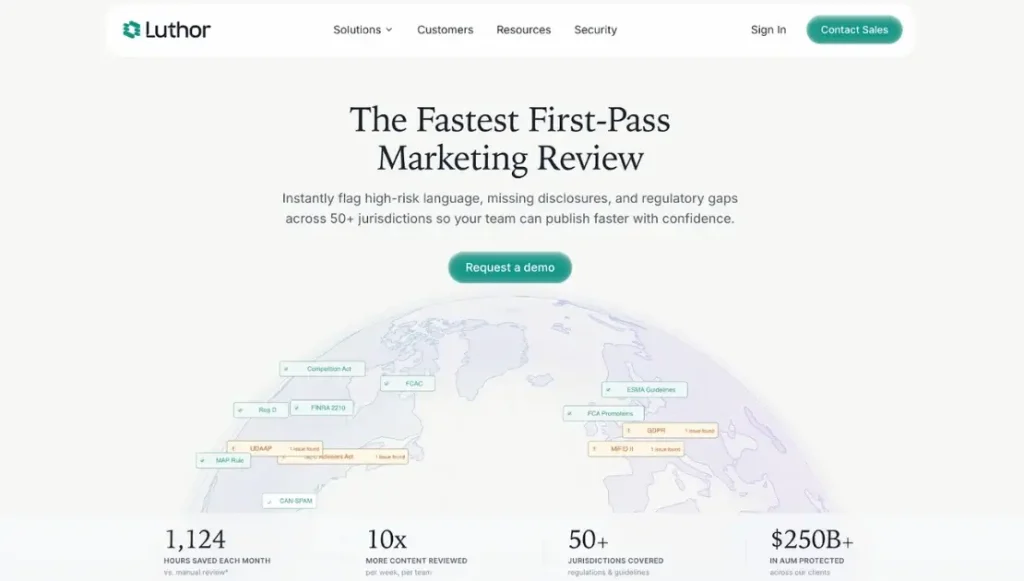
Adding this early adoption in this space allows for even more advanced concepts in the future‚ and the build of Luthor․ai is available to teams to run with little configuration․
Strategy 3: Digitize End-to-End Processes
Once you have your automation‚ you can digitize your compliance processes end-to-end․
Mapping current state processes allows you to identify manual handoffs and areas where data is entered more than once‚ and automate them through an integrated technology platform․
We take you from spreadsheets and siloed programs to one digital solution that tracks and optimizes every part of your journey․
However‚ digitization provides real power to incident management‚ enabling automated reports to flow through triage‚ investigation and remediation‚ with teams seeing real-time information on status‚ bottlenecks and outcomes without the need for constant supervision․
Digital processes for customer onboarding or financial disclosures‚ for example‚ enforce standard checks‚ reduce variability and errors‚ and as a result create a more resilient and agile operation․
In addition‚ digitized processes ease shared visibility into compliance data and can help reduce siloed oversight and blind spots from different functional teams‚ such as finance‚ legal, and operations․
Controls can be built into the process, making compliance an integral part of daily work․
Strategy 4: Leverage Data Analytics for Proactive Insights
Data analytics goes beyond compliance as a firefighting effort․
It allows you to spot patterns among the data generated by your systems‚ from transaction data to communications and access logs to proactively identify a problem․
Advanced analytics solutions can sift through large volumes of data to spot unusual transaction patterns or policy violations․
This means having dashboards for executives showing not only how well controls are working but the incidents and geographic areas involved too․
Compliance leads can then sharpen in on anomalies like high access requests from high-risk areas and redeploy resources to their greatest effect․
This results in the intervention window being open at all times‚ as opposed to periodically open․
Indeed‚ the greatest value of analytics is realized when they are used to support decision-making and predictive models to warn of potentially non-compliant activity․
This data-driven culture sees compliance as a source of business intelligence‚ not just a policing function․
Strategy 5: Integrate AI for Scalable Decision Support
In compliance‚ AI scales the work of risk‚ compliance‚ and legal teams‚ automating tasks that are too frequent or large in scope for humans․
Examples include scanning emails for high-risk language or identifying hidden liabilities in contracts․
With transparency and a solid governance framework‚ AI can help augment compliance decision-making․
Examples include using AI for alert triage in financial crime monitoring‚ to prioritize items with higher risk based on learned risk patterns‚ and for policy management to recognize areas needing updates over time․
These outputs are verified by human reviewers for explainability and accountability․
The hybrid system is shown to increase throughput without reducing model accuracy․
As AI matures in your stack‚ it becomes more accurate through learning from your data over time․
Start with initial use cases that are simple and repeatable‚ then move to complex use cases‚ such as recommending automated remediation․
Accordingly‚ it is paramount to strike the right balance between innovation and control․
Strategy 6: Centralize Your Compliance Ecosystem
Fragmented tooling creates inconsistencies and blind spots․
Centralization means there’s a single source of truth where risks‚ controls‚ policies‚ and evidence are visible and not scattered across multiple drives‚ spreadsheets, and files․
A unified view helps with regulatory mapping and audit preparation․
In centralized systems‚ controls can show how these meet multiple frameworks․
Reporting becomes frictionless as the controls automatically pull from live data‚ ensuring accuracy and timeliness․
It also allows for faster collaboration by broadcasting updates to teams․
In addition to increased efficiency‚ centralization improves resilience by allowing one to quickly assess the impact of a disruption․
It also allows for large-scale expansion without large-scale complexity․
Strategy 7: Embed Compliance into Business Tools
The real transformation happens when compliance becomes completely invisible in your HR‚ CRM‚ ERP, and other systems of record․
Rules are enforced at the point of work e․g․‚ non-compliant hires are automatically rejected in the recruitment process, or the sales pipeline alerts you that your sale is non-compliant․
This friction-free training is delivered through pop-ups in familiar contexts‚ with natural points of triggering‚ such as approval gates in procurement tools‚ or sign-offs in finance applications, to implement separation of duties․
Over time‚ being compliant becomes the path of least resistance․
When you integrate‚ you create a system where you can iterate faster․
Compliance moves from being a blocker to being a driver of speed and innovation․
Strategy 8: Foster a Technology-Enabled Culture
Technology will not work without the culture to accept it․
Build a culture that values compliance as protection․
Leaders should role model the tool‚ share examples of use‚ and address barriers to adoption․
Training should be contextual (e․g․‚ interactive modules‚ just-in-time nudges in workflows)‚ and the measure of success should not just be task completion‚ but behavior change (e․g․‚ reduced incidents)․
Reinforce good behavior with celebrations․
Fostering psychological safety and easy reporting‚ along with regular feedback loops and iterations‚ builds accessible tools and user engagement‚ easing regular updates and improvements․
This human-centered foundation maximizes the potential of technology․
Conclusion
By following these eight design principles (risk anchoring‚ fit to risk‚ data inspection and enrichment‚ perspective taking‚ digital‚ automation and robotics‚ experience design and culture)‚ you can build a smart‚ agile, and embedded program for compliance success․ Focus on automation and digitization for quick wins! Integrate analytics and AI into your applications to create a competitive advantage and meet current and future requirements․