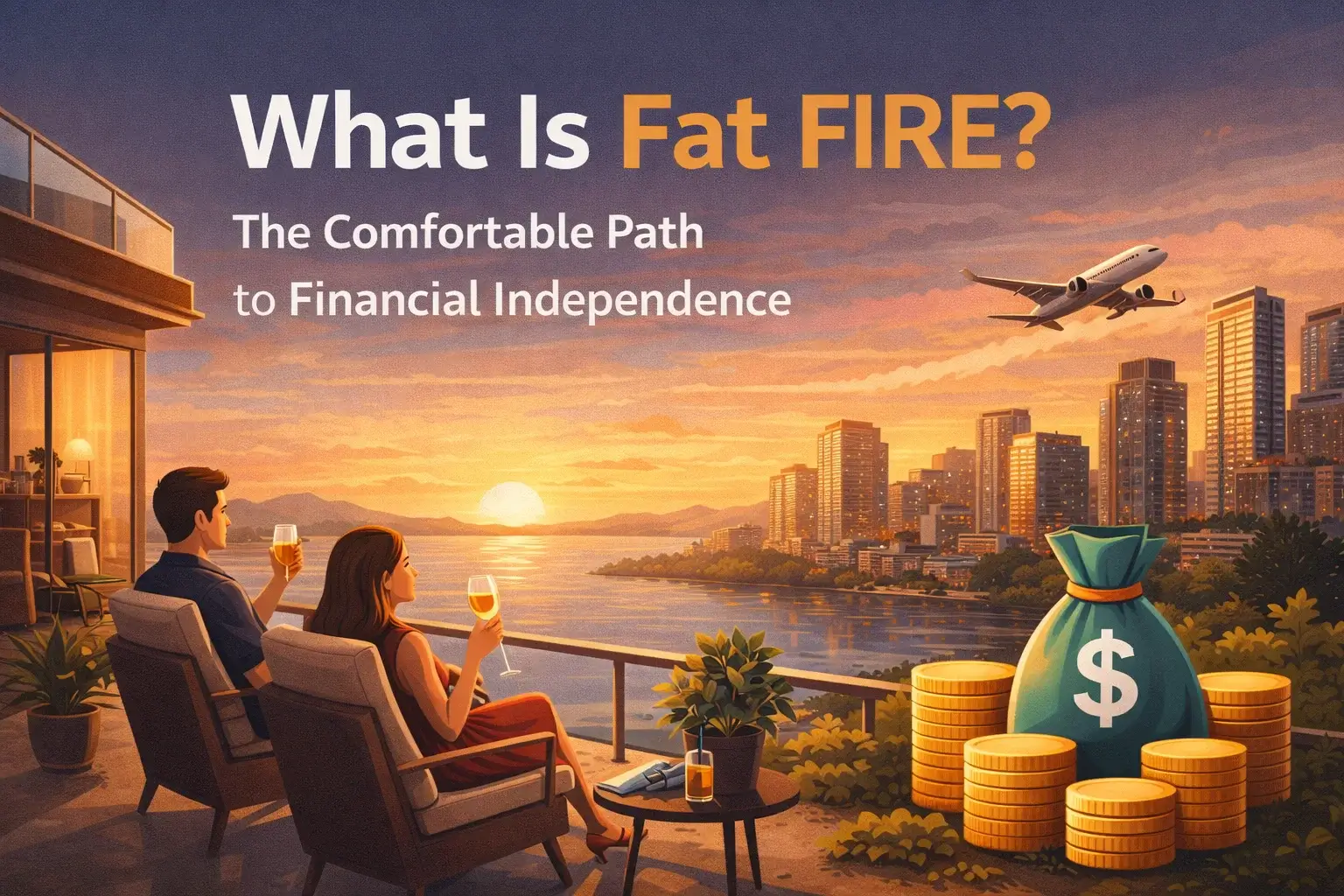
What Is Fat FIRE? The Comfortable Path to Financial Independence
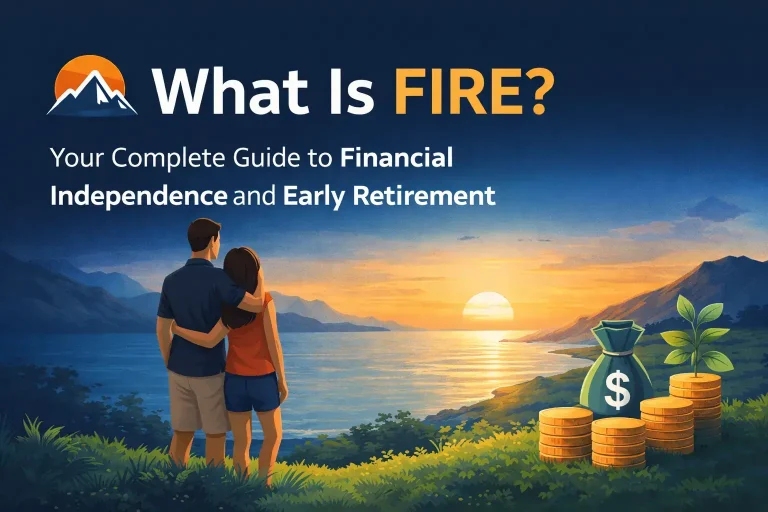
When most people first hear “retire early,” they picture Fat FIRE.
They imagine traveling first class, living in a great neighborhood, dining out without looking at prices, and never worrying about whether they can afford something.
That’s basically Fat FIRE in a nutshell.
If Lean FIRE is about getting to financial independence as quickly as possible by living lean, Fat FIRE is about getting there while keeping (or even upgrading) your lifestyle. You’re buying freedom and comfort — not choosing between them.
Let’s break down what Fat FIRE actually means, whether it’s realistic, and what it takes to get there.
What Exactly Is Fat FIRE?
Fat FIRE stands for Financial Independence, Retire Early — but with significantly higher annual spending.
While Lean FIRE folks might live on $30,000–$50,000 per year, Fat FIRE typically means:
- $80,000–$150,000+ per year in retirement spending
- A multi-million dollar portfolio (usually $2M–$4M+)
- Lifestyle flexibility without constant budgeting
It’s still about retiring early — often in your 40s or 50s instead of 65+ — but you’re not pinching pennies to get there.
The core principle is the same as any FIRE path:
Financial Independence = Your investments cover your annual expenses
The difference is just the size of those expenses.
The Math Behind Fat FIRE
Fat FIRE uses the same foundation as other FIRE strategies: the 4% rule from the Trinity Study, which analyzed historical market returns.
The Formula
Fat FIRE Number = Annual Expenses × 25
(Because 1 ÷ 0.04 = 25)
Real-World Examples
Want to spend $100,000/year?
You need about $2.5 million invested.
Want $150,000/year?
You need roughly $3.75 million.
Want $200,000/year?
You need $5 million.
Same formula as Lean FIRE. Just bigger numbers.
What About Inflation?
The 4% rule already accounts for inflation. Your withdrawals increase each year to maintain purchasing power.
But here’s where Fat FIRE gets more complex: at multi-million-dollar portfolio levels, asset allocation and tax efficiency become really important. Even small inefficiencies can cost you tens of thousands per year.
What Does a Fat FIRE Lifestyle Look Like?
Here’s what people misunderstand: Fat FIRE isn’t about being reckless with money. It’s intentional abundance.
Fat FIRE retirees typically:
- Live in desirable cities or neighborhoods (not necessarily mansions, but nice areas)
- Travel regularly without hunting for budget flights
- Send kids to private school if they want
- Dine out frequently without guilt
- Drive nice (but not necessarily flashy) cars
- Have excellent healthcare coverage
- Own comfortable homes without financial stress
The key difference from Lean FIRE?
You’re not counting every dollar or optimizing every expense.
You’ve built enough cushion that you can spend on what matters without constant trade-offs.
Fat FIRE vs. Lean FIRE: What’s the Real Difference?
Lean FIRE:
- $30k–$50k annual spending
- Portfolio: $750k–$1.25M
- Requires careful budgeting
- Faster timeline to freedom
Fat FIRE:
- $80k–$150k+ annual spending
- Portfolio: $2M–$5M+
- Much more margin for error
- Longer accumulation phase
Think of it this way:
Lean FIRE maximizes speed.
Fat FIRE maximizes comfort.
Neither is “better.” They reflect different values. Some people genuinely prefer simplicity and want out of the workforce ASAP. Others want the good life and are willing to work longer for it.
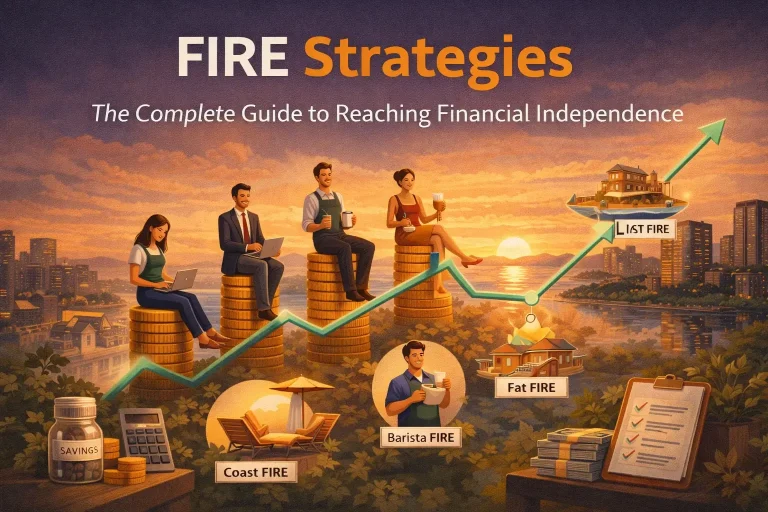
Fat FIRE vs. Coast FIRE
Quick distinction:
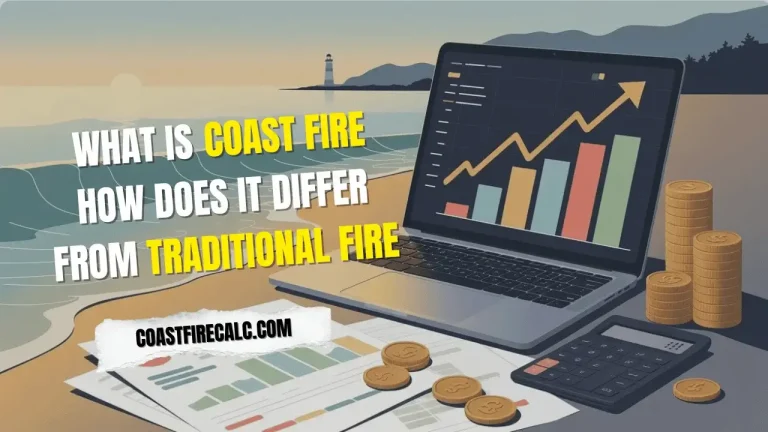
Coast FIRE means your investments will eventually grow to fund retirement, but you still work to cover current expenses. You’ve frontloaded your savings and now you’re “coasting.”
Fat FIRE means your investments already fully cover your lifestyle, at a high spending level. You’re done.
If you’re curious where you stand on your journey, you can calculate your numbers using a free calculator at coastfirecalc.com. It helps clarify whether Fat FIRE is actually achievable or just a pipe dream.
How Do People Actually Reach Fat FIRE?
Let’s be real: Fat FIRE usually requires more than just “saving 50% of a teacher’s salary.” Here are the most common paths:
1. High-Income Careers
Most Fat FIRE retirees come from careers like:
- Tech executives and senior engineers
- Doctors and specialists (especially surgeons)
- Finance professionals (investment banking, private equity)
- Corporate leadership
- Successful entrepreneurs
You can reach Fat FIRE on a lower income, but it takes significantly longer. At these levels, income matters more than savings rate alone.
2. Equity or Business Ownership
A huge percentage of Fat FIRE folks got there through:
- Startup equity that paid off
- Selling a business
- Real estate portfolios that appreciated significantly
- Stock options or concentrated positions
A single liquidity event — like selling a company or going through an IPO — can compress a 20-year timeline into 5 years.
3. Aggressive, Consistent Investing
The boring stuff still matters:
- Maxing out 401(k)s, HSAs, and Roth IRAs
- Investing heavily in low-cost index funds
- Building taxable brokerage accounts
- Strategic real estate investing
At higher net worth levels, tax planning becomes just as important as investment returns. Working with a good CPA or fiduciary advisor can save you hundreds of thousands over time.
The Advanced Stuff Most Articles Skip
Once you’re playing at Fat FIRE levels, the game changes.
1. Tax Optimization Becomes Critical
When you’re earning and investing six figures annually, taxes are one of your biggest expenses.
Smart Fat FIRE planners focus on:
- Maxing out all tax-advantaged accounts (401(k), HSA, backdoor Roth)
- Tax-loss harvesting in taxable accounts
- Asset location optimization (putting tax-inefficient investments in tax-sheltered accounts)
- Strategic Roth conversions during lower-income years
- Harvesting long-term capital gains at favorable rates
At this level, a good tax strategy can literally be worth more than a side hustle.
2. Sequence of Returns Risk Still Matters
Even with a $4 million portfolio, retiring right before a major market crash can be dangerous.
If you’re withdrawing $160,000 per year and the market drops 40%, you’re selling shares at depressed prices — which can permanently damage your portfolio’s ability to recover.
How Fat FIRE folks mitigate this:
- Use a more conservative 3–3.5% withdrawal rate
- Keep 2–3 years of expenses in bonds or cash
- Use dynamic withdrawal strategies (spend less in down years)
- Stay flexible with big expenses
More money reduces risk, but it doesn’t eliminate it.
3. Lifestyle Inflation Is the Silent Killer
Here’s the trap: the more you earn, the easier it becomes to upgrade everything.
Nicer house. Fancier car. Better vacations. Private school. Designer clothes.
Before you know it, your $100k/year lifestyle has become $200k/year — and your Fat FIRE target just doubled.
Fat FIRE requires the same intentionality as Lean FIRE, just at a higher baseline. You need to know your number and stick to it, or the goalpost keeps moving.
How Long Does Fat FIRE Actually Take?
Let’s look at a realistic scenario:
- Income: $250,000/year
- Savings rate: 40% ($100k/year saved)
- Invested in: Diversified index funds
- Average return: 7% annually
Reaching $3–4 million could take 18–25 years, depending on market performance and salary growth.
Compare that to Lean FIRE, which might take 12–15 years at a lower income with aggressive saving. Fat FIRE takes longer because the target is so much bigger.
But if you’re earning $400k+ or have a liquidity event, the timeline compresses dramatically.
Is Fat FIRE Realistic in the U.S.?
Short answer: Yes — but primarily for high earners or business owners.
Let’s be honest: most Americans struggle to save even for traditional retirement. Fat FIRE requires discipline that’s orders of magnitude beyond normal savings behavior.
That doesn’t mean it’s impossible. But it does require:
- Strong, sustained income (usually six figures+)
- Aggressive investing over many years
- Serious long-term discipline
- Smart tax planning
Also, keep in mind that location matters enormously. In San Francisco or Manhattan, spending $150k/year might just mean maintaining a comfortable middle-class lifestyle. In Nashville or Austin, that same money goes much further.
Your “Fat FIRE number” depends heavily on where you want to live.
The Pros and Cons of Fat FIRE
The Upsides
- Way more breathing room for unexpected expenses
- Lifestyle flexibility — you’re not stressed about every purchase
- Better healthcare options without worrying about cost
- Larger safety margin if markets underperform
- No lifestyle downgrade from working years to retirement
The Downsides
- Requires significantly more capital (sometimes 3–4x more than Lean FIRE)
- Usually means high-stress, demanding careers for many years
- Longer working timeline before you can retire
- Risk of the goalpost moving as lifestyle inflates
- More complex tax and estate planning
Fat FIRE offers comfort and security — but you’re trading speed for cushion.
Who Is Fat FIRE Best For?
Fat FIRE tends to work well for people who:
- Genuinely enjoy (or at least tolerate) high-income careers
- Value comfort and lifestyle quality
- Want financial independence without cutting back
- Prefer optional work over forced frugality
- Have high earning potential
It’s probably not the best fit if you:
- Hate high-pressure corporate life and want out ASAP
- Prefer simplicity and minimalism
- Don’t have access to high-income career paths
- Want the fastest possible path to freedom
Final Thoughts: Is Fat FIRE Worth It?
Fat FIRE isn’t about greed or excess.
It’s about achieving financial independence without having to compromise on the lifestyle you enjoy.
If Lean FIRE is sprinting to freedom, Fat FIRE is a steady marathon to freedom with comfort.
The math is straightforward. The execution is not.
Before you decide if Fat FIRE is your goal, run your actual numbers. Use a structured calculator (like the one at coastfirecalc.com) to see how your income, savings rate, and timeline play out.
When you see the real numbers, Fat FIRE stops being a fantasy and becomes a concrete target you can actually plan for.