Can Collecting Toys Still Make Sense Financially?
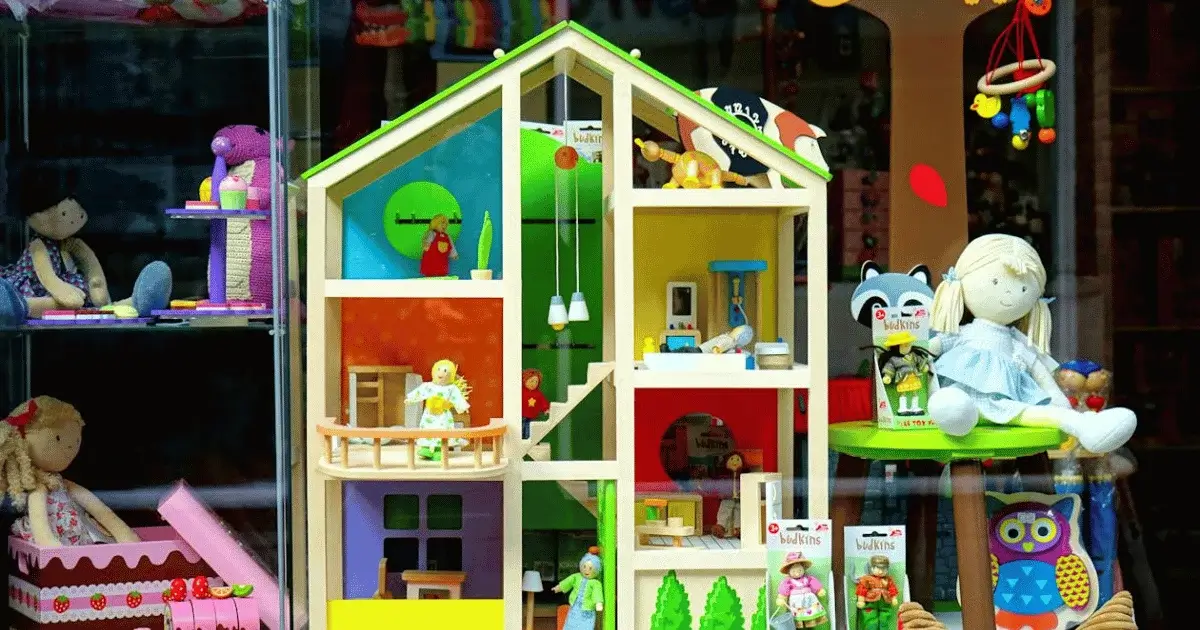
Toy collecting has moved well beyond childhood nostalgia. What once lived in attics and garage sale bins now trades hands for thousands of dollars on auction platforms, at conventions, and through private sales.
Even niche items tied to popular franchises — like Cuphead toys and figures at Toynk — show how demand for collectible pieces continues to grow across categories. The global collectible toy market has expanded into a multi-billion-dollar space, and that growth raises a fair question for anyone sitting on old action figures or considering a new hobby: Does collecting toys still make financial sense?
The short answer is that it depends. Some toys appreciate over time. Many do not. The difference often comes down to knowledge, patience, and how you approach the hobby. Here is what to consider before treating your collection as a portfolio.
Why Do Certain Toys Gain Value
Not every old toy is worth money. The ones that tend to appreciate share a few common traits.
Scarcity and production history
Toys produced in limited runs, pulled from shelves early, or released as promotional exclusives tend to hold or increase in value. Items that were mass-produced and widely available rarely do. A toy that sat on store shelves for years has less financial upside than one that was only available through a mail-order offer or a regional promotion.
Condition and packaging
Condition plays an outsized role. A sealed, mint-in-box figure can be worth several times as much as the same item without packaging. Once a box is opened or a toy shows wear, the price drops. Collectors and buyers grade items carefully, and even minor flaws, such as sun-faded cardboard or a cracked plastic window, can reduce value.
Cultural relevance
Toys tied to enduring franchises tend to perform better over time. Items connected to properties that maintain or grow their fan base — through new films, shows, or revivals — benefit from sustained demand. On the other hand, toys linked to short-lived trends often peak and then fade.
Recognizing the Categories That Tend to Perform
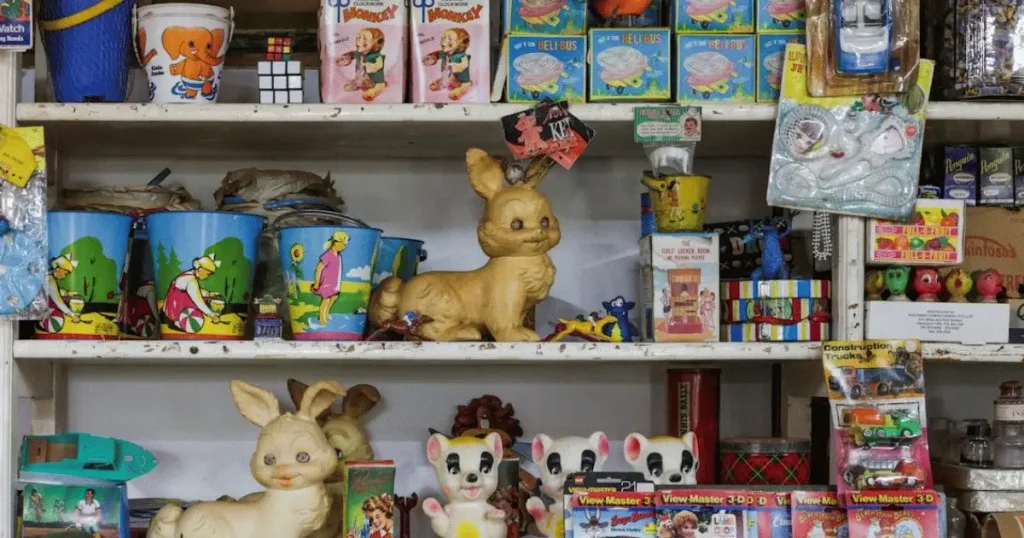
Certain types of toys have a track record of appreciation over the long term.
Action figures from the 1970s through the 1990s
Figures from major franchises released during this era remain some of the most traded collectibles. Early production runs, character variants, and packaging errors within these lines often carry premiums.
Vintage dolls
Early editions of well-known doll lines, particularly those in original clothing and packaging, can fetch high prices. The further back the production date and the better the condition, the stronger the value tends to be.
Die-cast vehicles
Certain die-cast lines from the 1960s and 1970s continue to enjoy strong collector demand. Error models and first-edition releases within these lines attract the most attention.
Pre-1970s tin toys
Wind-up and battery-operated tin toys, especially those made in Japan during the 1950s and 1960s, are valued for their craftsmanship and age. Supply continues to shrink as these items deteriorate or get lost, which supports prices.
Acknowledging the Risks That Come With the Hobby
Toy collecting carries financial risks that are easy to overlook when enthusiasm takes over.
Low liquidity
Unlike stocks or bonds, collectible toys do not sell on a set timeline. Selling at market value rarely happens overnight and can take weeks or months. In some cases, it takes years. If you need to convert a collection into cash quickly, you will likely accept less than what the items are appraised for.
Counterfeits and reproductions
The market is full of fakes. Reproduction packaging, bootleg figures, and reissued items can look convincing, especially online. Without the ability to authenticate what you are buying, costly mistakes are common. This is one area where experience and community connections matter.
Storage and preservation costs
Toys degrade. Plastic yellows, cardboard warps, and paint chips. Proper storage requires climate control, acid-free materials, and space. These costs add up over time and eat into any potential returns.
Emotional buying
Many collectors purchase based on personal attachment rather than market fundamentals. Buying a toy because it reminds you of your childhood is fine, but it is not an investment strategy. The two motivations need to stay separate if financial return is part of your goal.
Building a Collection With Financial Awareness
If you want to collect with an eye toward value, a structured approach helps.
- Pick a focus area. Specializing in a single category deepens market knowledge and makes it easier to identify undervalued items.
- Track sale prices, not listing prices. What someone asks for a toy online is not the same as what it actually sells for. Completed sale data gives you a more accurate picture of market value.
- Buy the best condition you can afford. One high-quality piece tends to outperform several lower-grade items over time.
- Preserve everything. Keep boxes, inserts, accessories, and receipts. Store items away from heat, humidity, and direct light.
- Connect with other collectors. Online forums, local meetups, and trade shows provide access to deals, authentication help, and market insights that you will not find on your own.
- Think in years, not months. Most toys that appreciate do so over a decade or more. Short-term flipping is possible but requires significant expertise and carries a higher risk.
Deciding Whether It Makes Sense for You
Toy collecting can make financial sense, but it works best when paired with a genuine interest. Collectors who study the market, buy carefully, and store items properly are more likely to see returns than those who accumulate without a plan.
At the same time, it is worth being honest about your reasons. If the primary motivation is enjoyment, that has value too — just not the kind that shows up on a balance sheet. The collectors who do well financially tend to be the ones who treat the hobby with discipline while still finding satisfaction in the process itself.